

The Linguistic and Cultural Heritage of the Balkans Takes Center Stage in Skopje
November 05, 2026
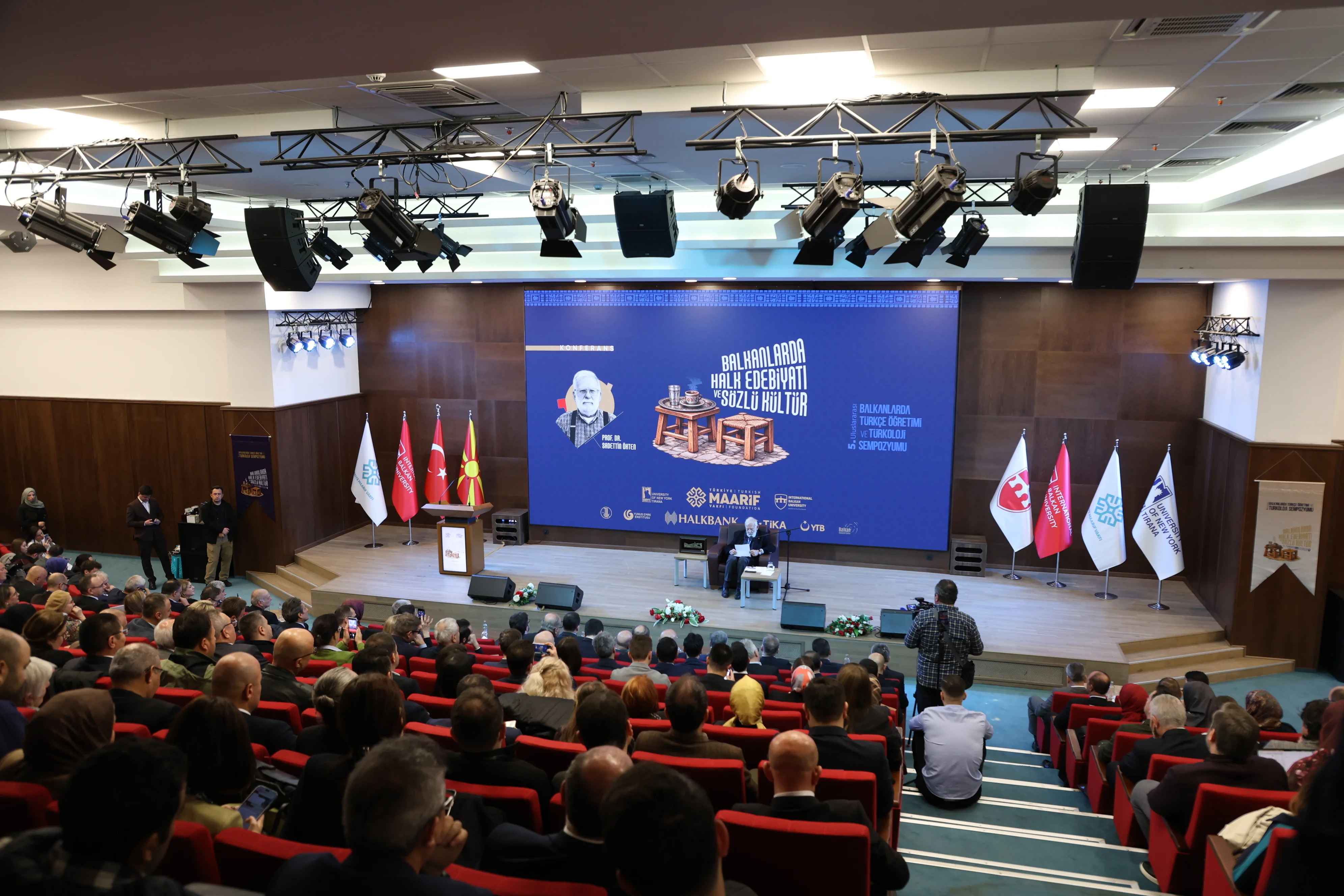
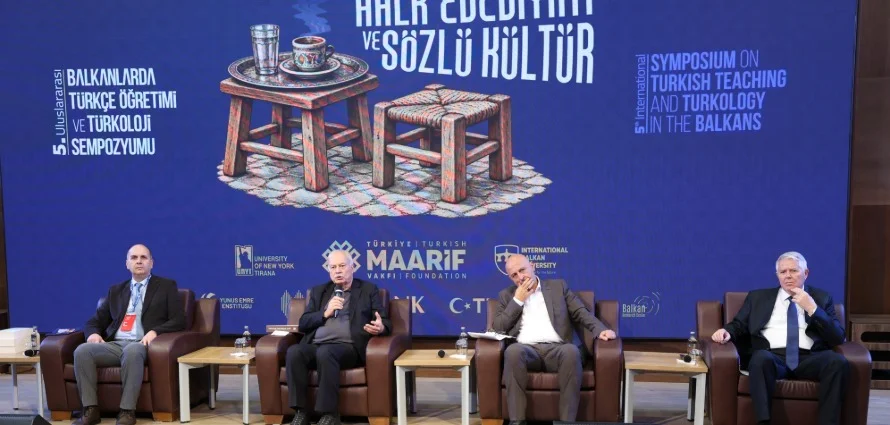
The fifth International Symposium on Turkish Language Teaching and Turkology in the Balkans, organized annually by Turkish Maarif Foundation, has begun in Skopje, the capital of North Macedonia. Hosted by International Balkan University from November 5 to 7, 2026, the symposium brings together academics, researchers, and educators working in the fields of Turkish language teaching, Turkology, and the preservation of shared cultural heritage in the Balkans.
Aiming to advance Turkish language teaching in the Balkans, strengthen academic scholarship in Turkology, and establish lasting collaborations among researchers across the region, the symposium provides a platform not only for sharing scholarly research but also for developing joint studies and projects. This year's program, with a particular focus on "Oral Culture and Folk Literature," explores the place of Turkish within the Balkans' multilingual and multicultural landscape, the intergenerational transmission of oral traditions, and the region's literary heritage from various perspectives.
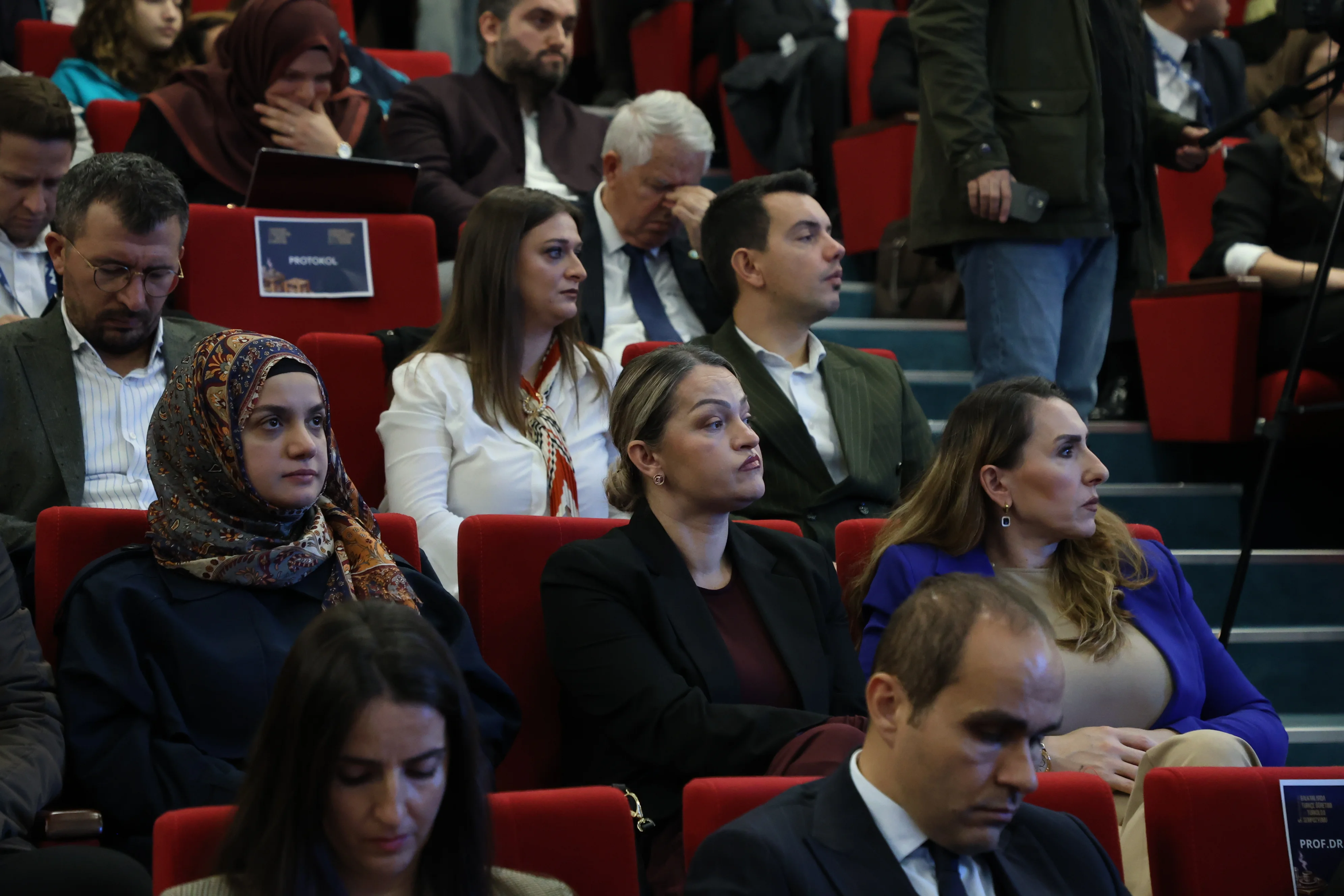
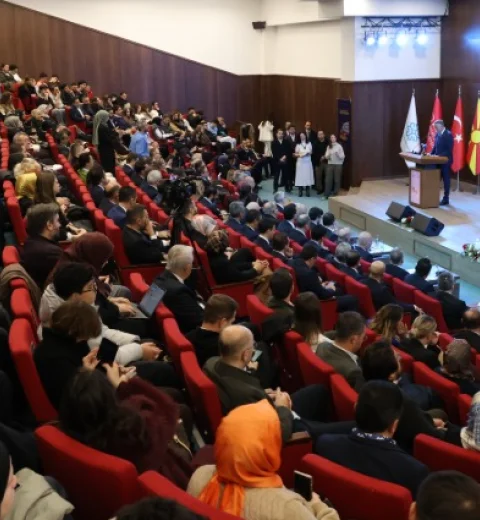
The opening ceremony, held at International Balkan University, was attended by Deputy Minister of Foreign Affairs and Member of the Turkish Maarif Foundation Board of Trustees Hacı Ali Özel; President of Turkish Maarif Foundation Mahmut M. Özdil; Minister of State of North Macedonia Zülfikar Zeynullah; Deputy Minister of Education and Science of North Macedonia Süleyman İni; Rector of International Balkan University Prof. Dr. Mehmet Bulut; and numerous academics, institutional representatives, and invited guests.
"Language embodies a nation's memory and vision of civilization"
Speaking at the opening ceremony, Deputy Minister of Foreign Affairs Hacı Ali Özel emphasized the deep-rooted historical, cultural, and human ties between Türkiye and the Balkans, noting that Turkish has served as an important medium of communication and interaction among communities in the region for centuries.
"Language embodies a nation's memory, identity, intellectual world, and vision of civilization," Özel stated, emphasizing that Turkish continues to maintain its presence across a broad cultural landscape in the Balkans, from poetry and folk songs to tales and proverbs, and from architecture to everyday life. He stressed that preserving, studying, and passing this heritage on to future generations is a shared responsibility.
Özel noted that the principles of regional ownership, inclusivity, and mutual trust guide Türkiye's approach to the Balkans, describing the region's multilingual and multicultural character as a significant source of richness. He stated that Turkish language teaching and Turkology studies contribute not only to preserving the language but also to strengthening mutual understanding and cooperation among Balkan societies.
Highlighting the role of education and culture in building lasting relationships between societies, Özel remarked, "Political relations are established between states. Lasting friendships between societies, however, are strengthened through education, culture, art, and human relations."
Özdil: "The symposium lays the groundwork for collaborative studies"
President of Turkish Maarif Foundation Mahmut M. Özdil highlighted the original purpose behind the symposium and the academic standing it has gained over the past five years. He explained that the symposium was established in response to the need for a common platform where academics working in Turkish language teaching and Turkology in the Balkans could regularly engage with one another and with their counterparts in Türkiye.
Emphasizing that the symposium is not merely an event where existing research is presented, Özdil described it as "a platform where we can also lay the groundwork for collaborative studies." He underlined the importance of expanding opportunities for academics to work and produce knowledge together, adding that they aim to strengthen this academic exchange by further increasing participation from Balkan countries in the coming years.
Özdil also addressed the significance of this year's focus on oral culture and folk literature, drawing on verses by Skopje-born poet Yahya Kemal Beyatlı to highlight the continuity of cultural memory in the Balkans. He noted that the region's historical and cultural heritage lives on not only in written sources but also in the everyday lives of its people and in oral traditions passed down from generation to generation.
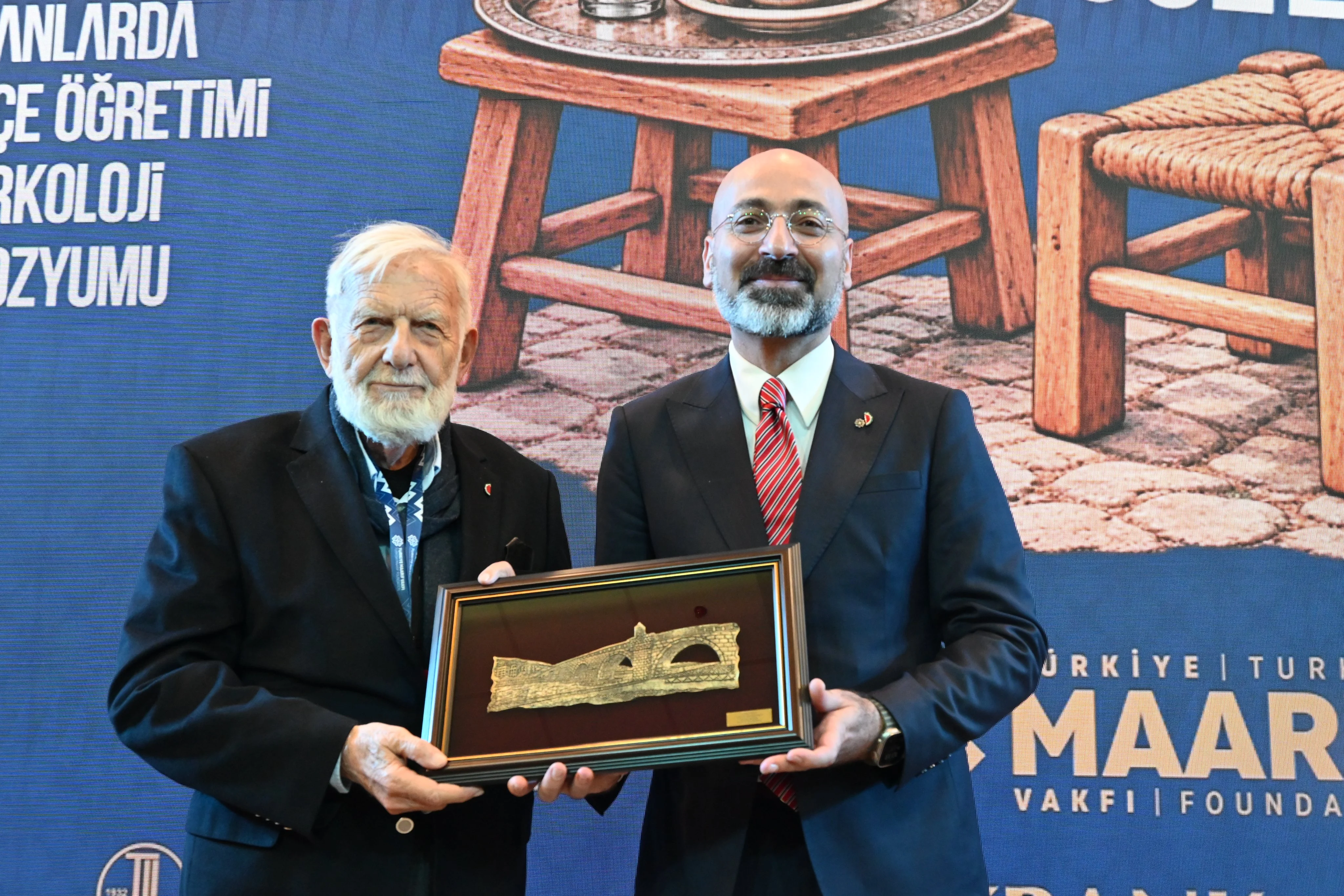
Stating that oral culture establishes a strong connection between the past and the present, Özdil said that holding the fifth edition of the symposium in Skopje carries particular significance for Turkish Maarif Foundation. He thanked International Balkan University and Halkbank for their hospitality and support, and expressed his gratitude to Prof. Dr. Mustafa İsen, who has contributed his academic expertise to the symposium since its inception, and Prof. Dr. Saadettin Ökten, who delivered the opening lecture.
Speaking at the opening ceremony, Rector of International Balkan University Prof. Dr. Mehmet Bulut stated that Turkish is not merely a means of communication in the Balkans but also a language of knowledge, learning, and wisdom. Deputy Minister of Education and Science of North Macedonia Süleyman İni emphasized that multilingualism and intercultural education are among the fundamental elements of an inclusive education system, while Minister of State of North Macedonia Zülfikar Zeynullah highlighted the historical role played by teachers, academics, and educational institutions in preserving the Turkish language in the region.
Prof. Dr. Saadettin Ökten Explores the Relationship Between Civilization and Vocabulary
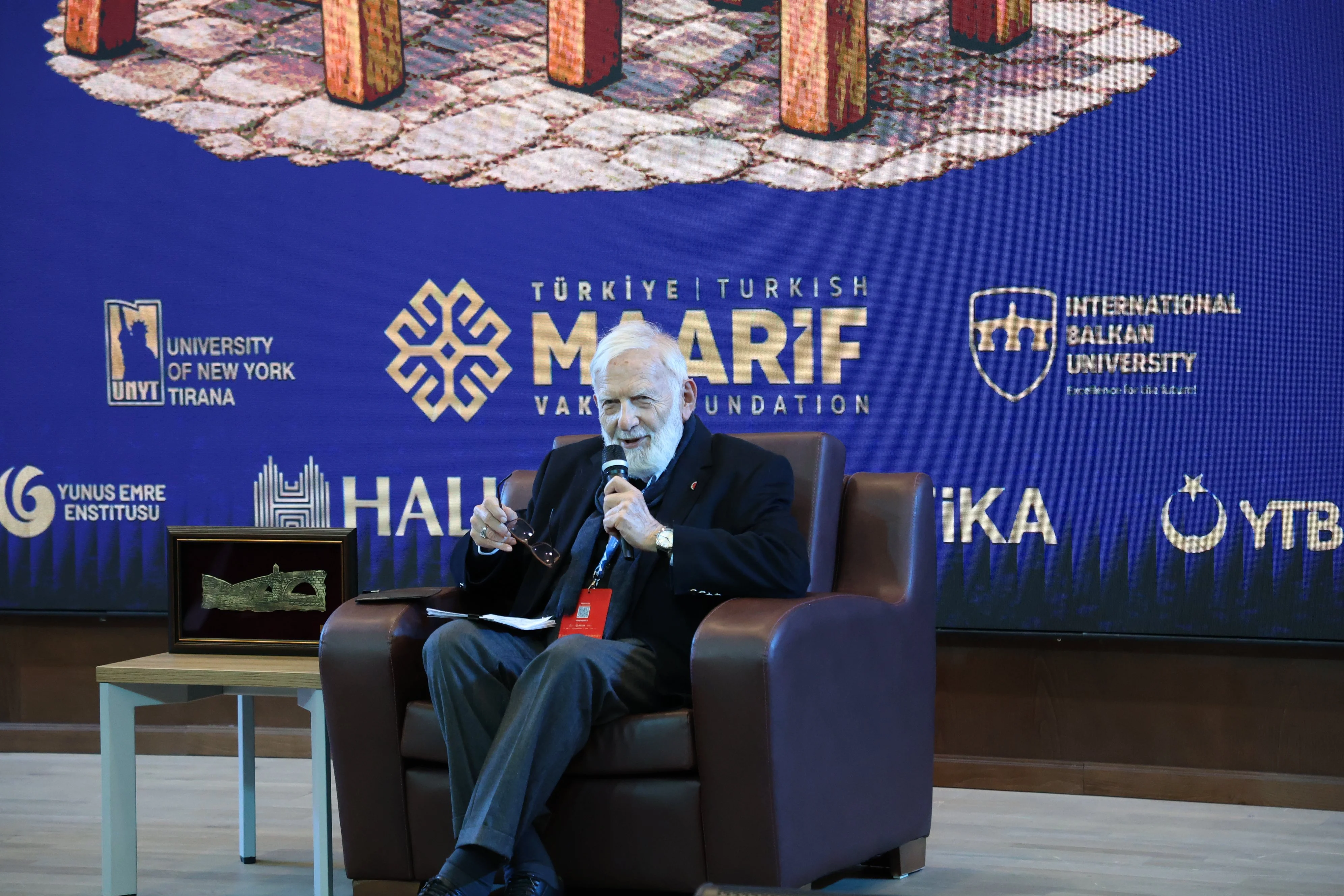
Following the opening speeches, Prof. Dr. Saadettin Ökten delivered a lecture examining the relationship between civilization and vocabulary.
Ökten explained that people's intellectual worlds, values, and behaviors are shaped through language, and that vocabulary is one of the fundamental elements reflecting a society's understanding of civilization and cultural identity.
"Vocabulary and concepts are an indispensable part of our existence," Ökten stated, emphasizing that language consists not only of words and expressions but also carries the values, ways of thinking, and world of meaning of a civilization. Noting that the richness of concepts deepens intellectual life, Ökten underscored the importance of societies preserving the vocabulary rooted in their own cultural heritage.
During his lecture, Ökten drew on examples from Yahya Kemal Beyatlı's poem Süleymaniye'de Bayram Sabahı (Eid Morning at Süleymaniye), explaining that a place can be understood not only through its physical characteristics but also through the historical, cultural, and spiritual values that give it meaning. Through his reflections on Süleymaniye Mosque, he demonstrated how vocabulary and literature reveal the layers of meaning that make an architectural structure part of a civilization's collective memory.
Oral Cultural Heritage of the Balkans Takes Center Stage
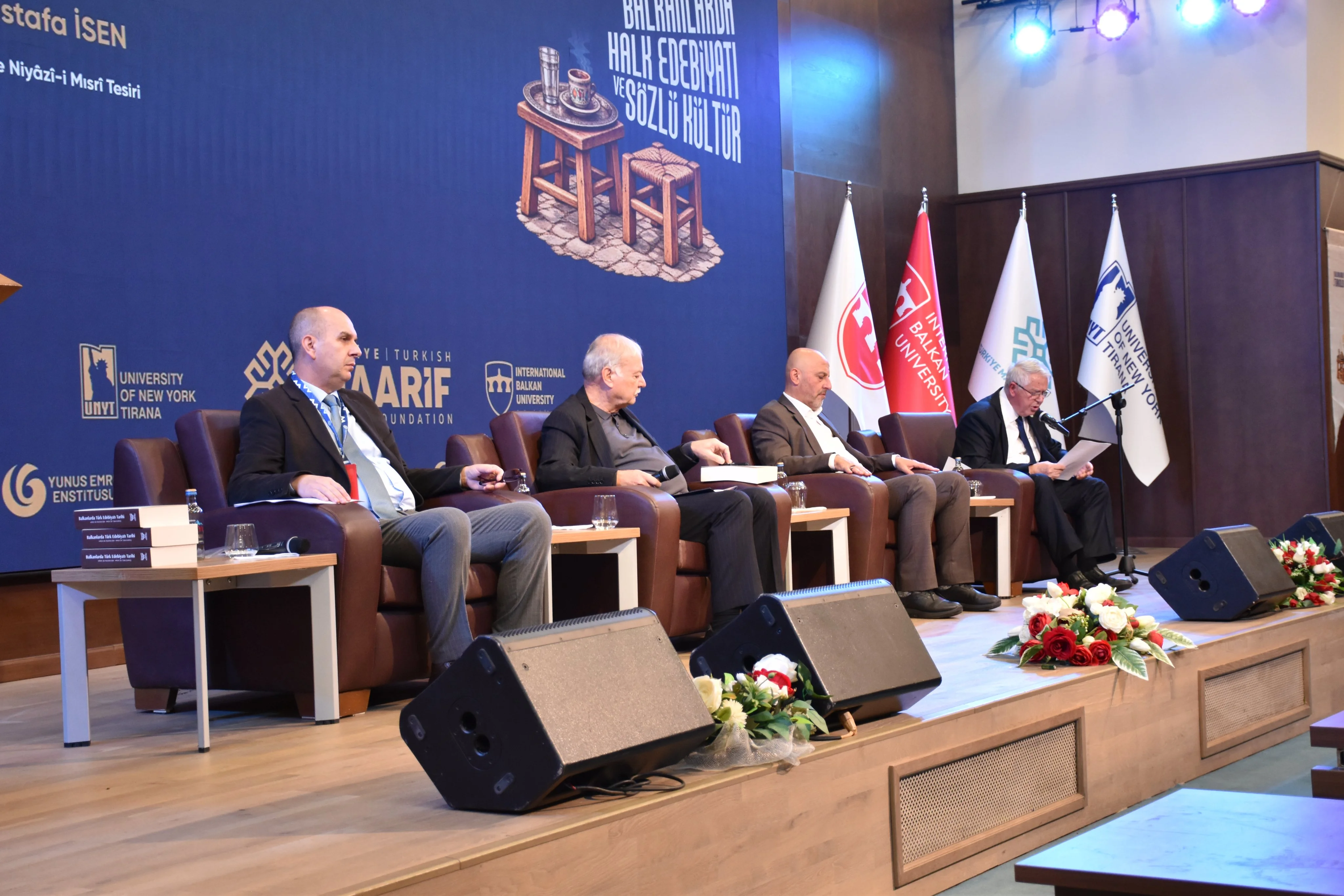
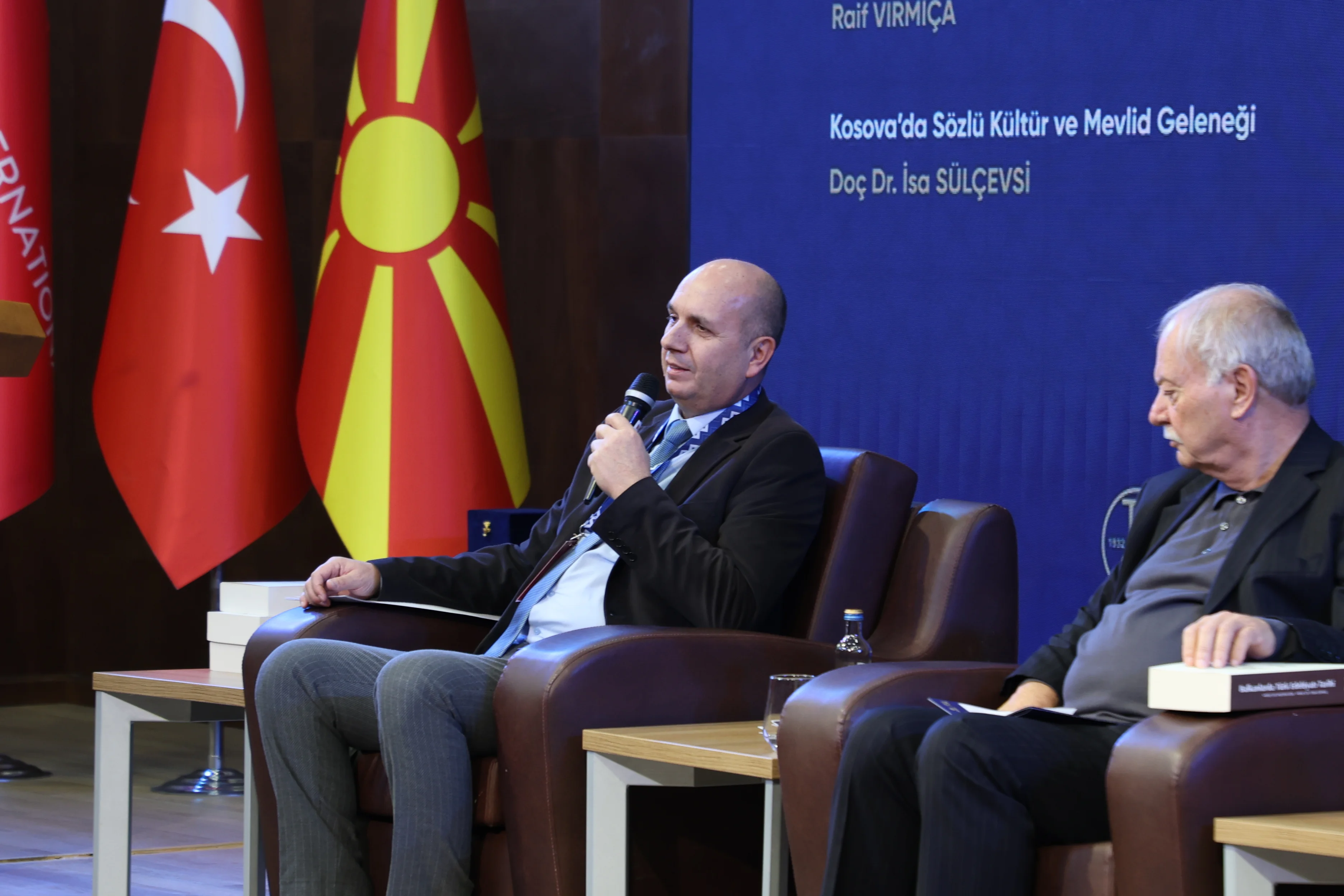
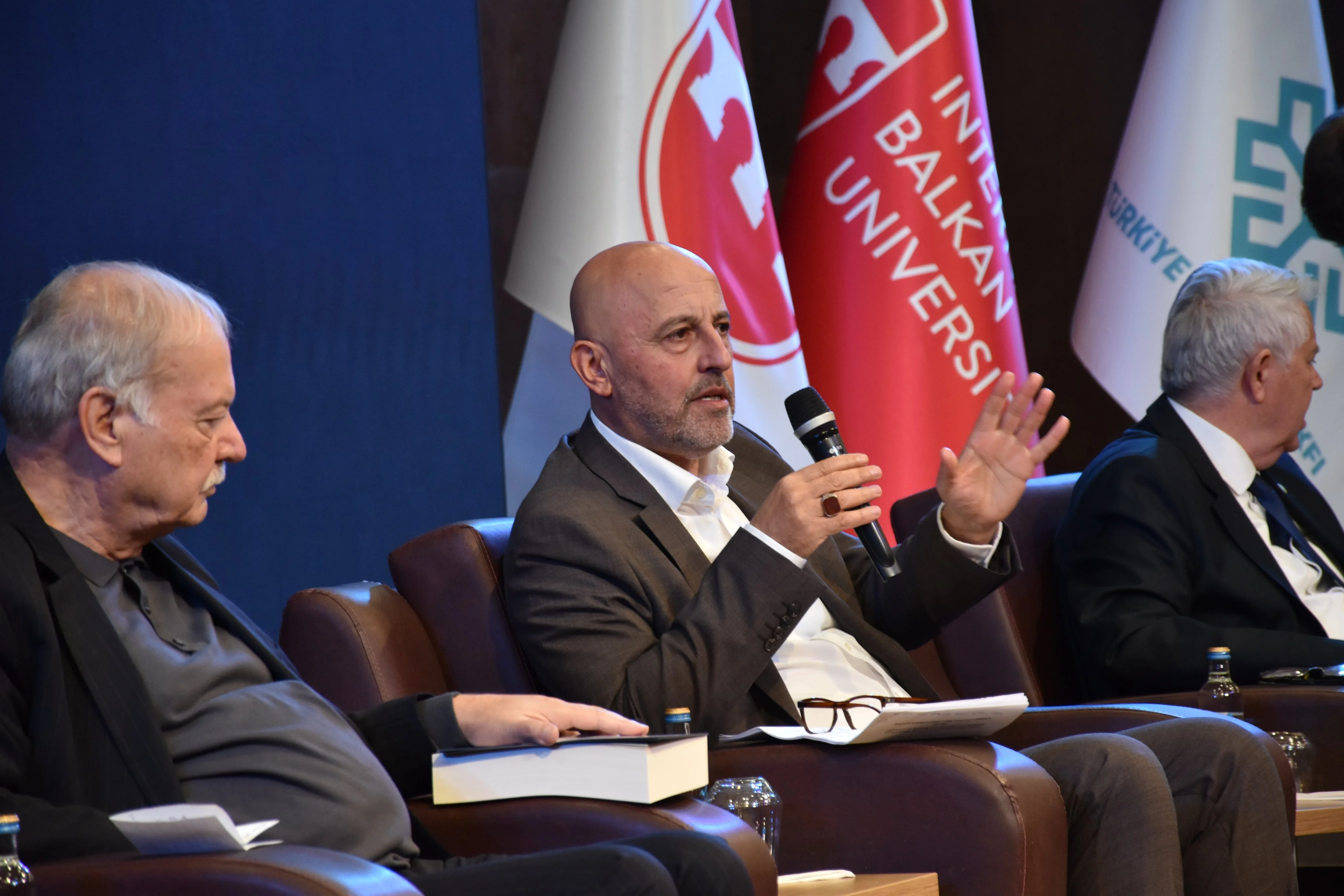
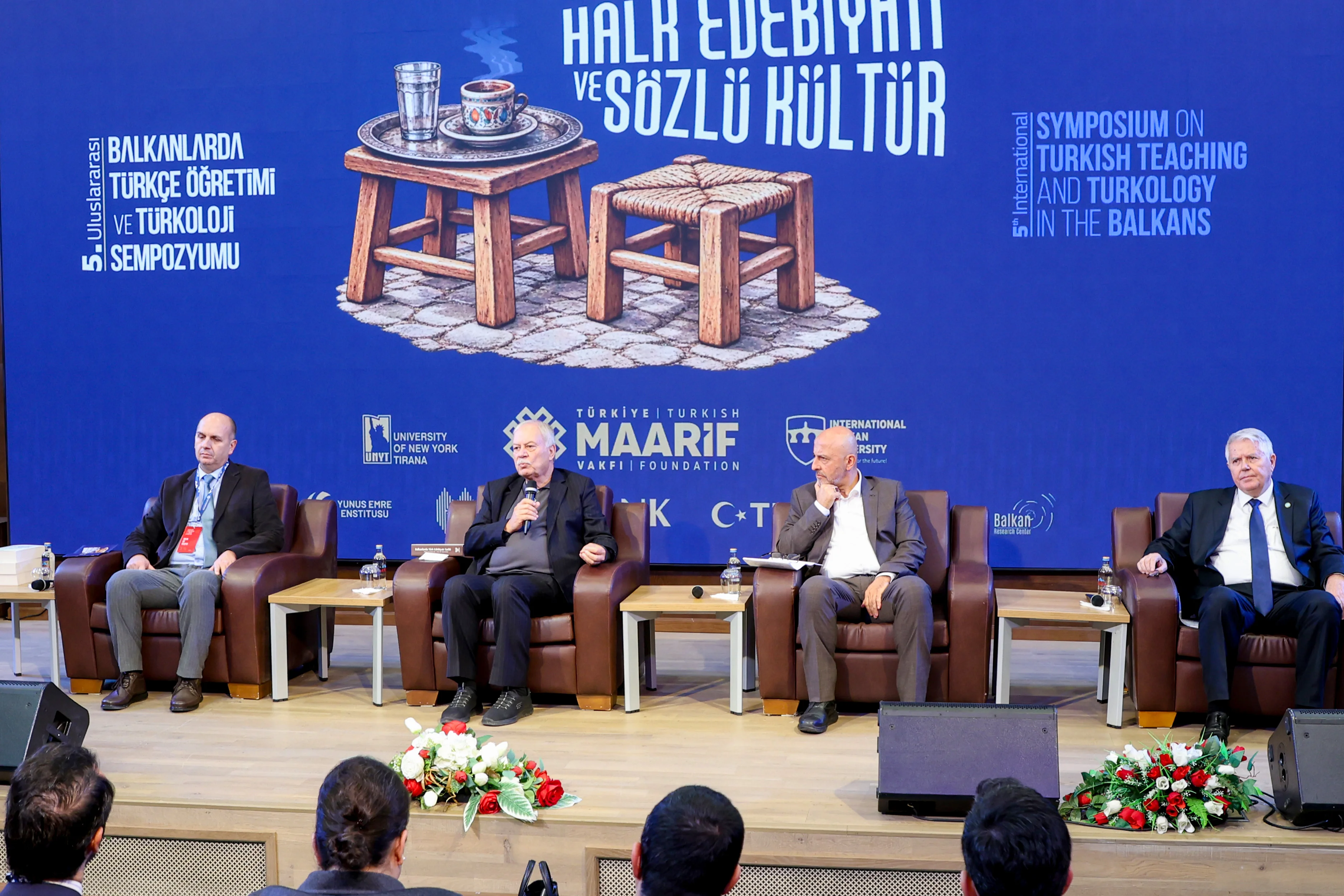
Following the opening lecture, the first day of the symposium continued with a panel titled "Oral Culture in the Balkans." Chaired by Prof. Dr. Mustafa İsen, the panel explored the influence of Yunus Emre, Mevlânâ, and Niyâzî-i Mısrî on Balkan literature, as well as the Melâmî tradition and the tradition of mevlid recitation in Kosovo.
During the first and second academic sessions held in the afternoon, scholars presented their papers and shared their research with participants. The first day's program continued with a musical performance titled Dilden Dile Balkan Türküleri (Balkan Folk Songs Across Languages), presented by the Performance Ensemble of Necmettin Erbakan University Turkish Music State Conservatory under the general artistic direction of Prof. Dr. Mehmet Gönül.
Running from November 5 to 7, the symposium aims to contribute to the evaluation of academic studies on Turkish language teaching and Turkology in the Balkans, the exploration of the region's linguistic and cultural heritage, and the development of new collaborations among scholars from different countries.