
17th Country Representatives' Consultation Meeting Begins in Istanbul
October 12, 2026
The 17th Country Representatives' Consultation Meeting of Turkish Maarif Foundation began on October 12, 2026, at the Foundation's headquarters in Istanbul. The meeting, which will take place from October 12 to 16, aims to evaluate educational activities carried out in different countries, share experiences from the field, and strengthen coordination between headquarters and country representative offices. The meeting will also address improving the quality of education, developing institutional processes, and discussing the Foundation's strategic goals for the coming period.
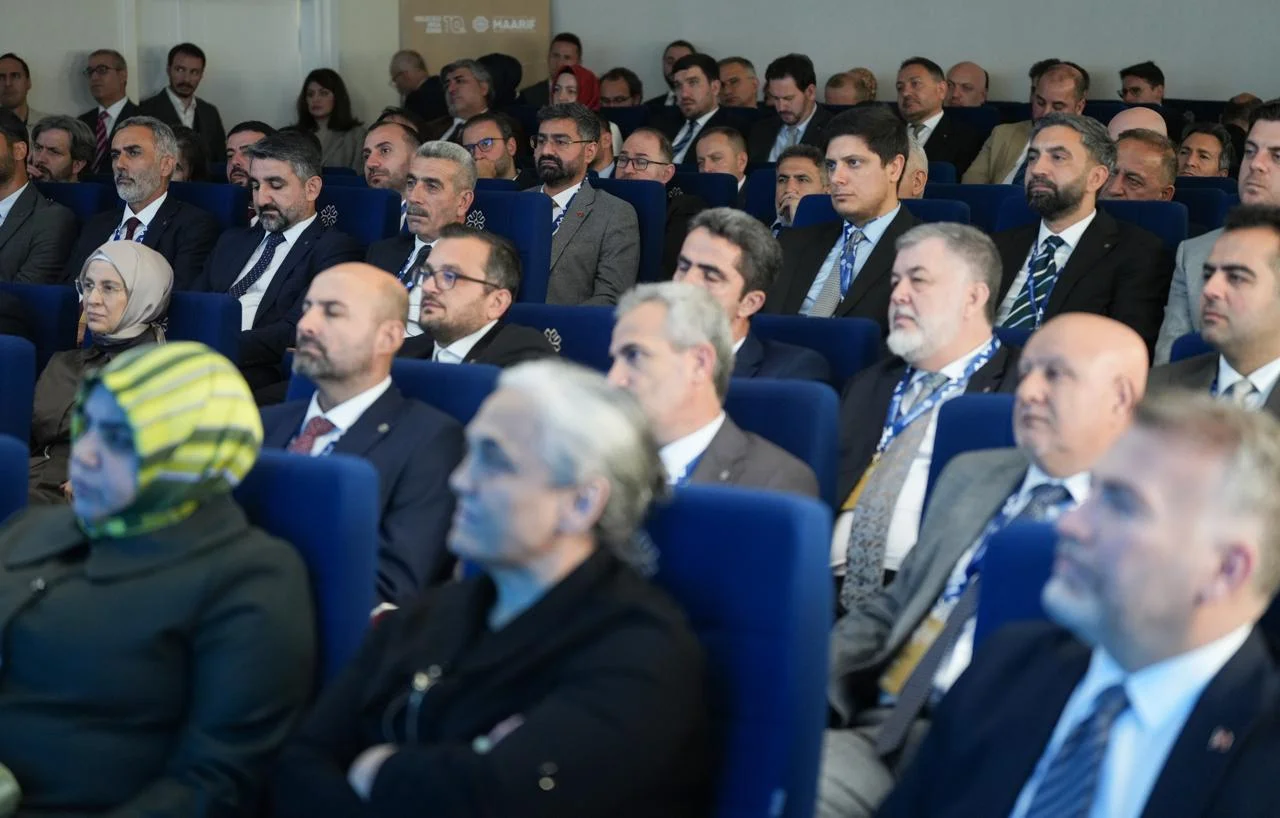
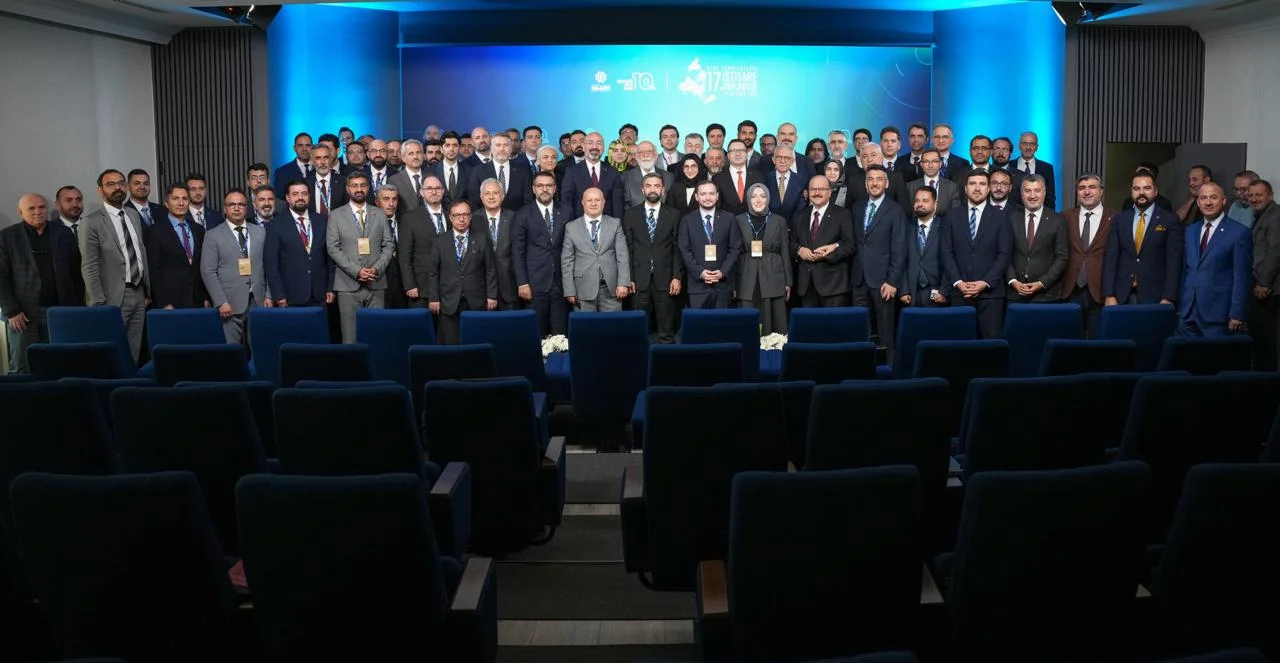
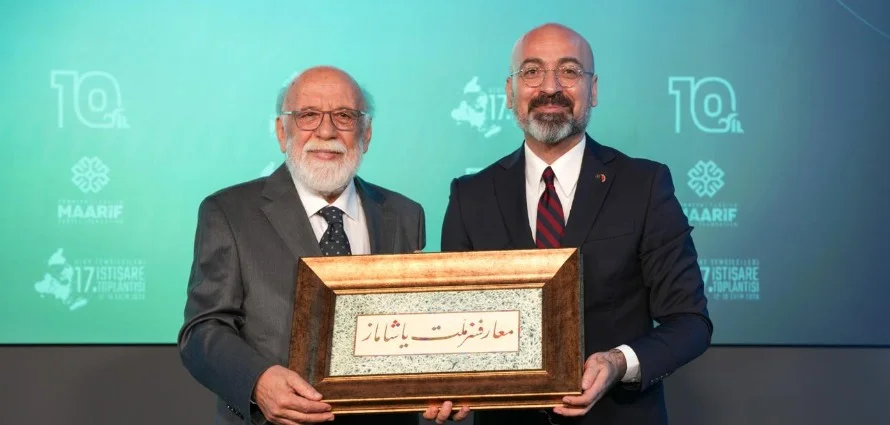
The opening ceremony was attended by former Minister of National Education Prof. Dr. Nabi Avcı, President of Turkish Maarif Foundation Mahmut M. Özdil, members of the Foundation's Board of Trustees and Board of Directors, and country representatives from 66 countries.
Özdil: “We Must Learn from One Another”
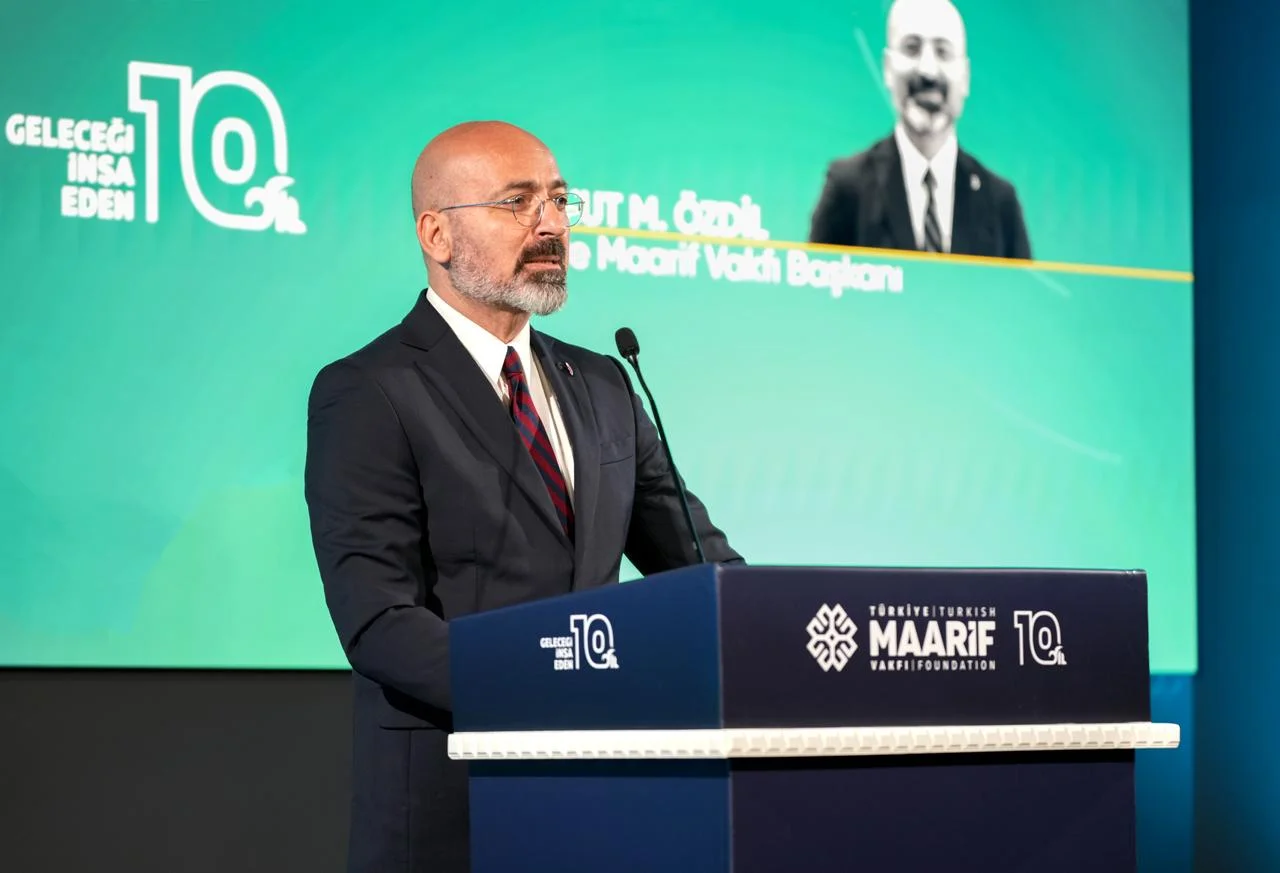
Delivering the opening address, President of Turkish Maarif Foundation Mahmut M. Özdil emphasized the particular significance of the meeting, held in the year marking the Foundation's 10th anniversary. Recalling that they had set out ten years ago with the aim of bringing a new voice to international education, Özdil highlighted the importance of the relationships that Turkish Maarif Foundation, now operating in 66 countries, has established with different cultures and societies.
Emphasizing that the Country Representatives' Consultation Meetings play an important role in ensuring that experiences from the field are reflected in institutional decision-making processes, Özdil said:
“Your voices and contributions must be present in everything that happens at headquarters, and headquarters must be aware of everything happening in the field. This is precisely why we have been holding these consultation meetings with such consistency.”
Referring to the role of consultation meetings in strengthening institutional communication and fostering a culture of collective thinking, Özdil continued:
“This is our 10th anniversary, yet we are holding our 17th consultation meeting. We communicate daily and remain in constant contact. We visit you in the field and see your work firsthand. You also come to headquarters whenever necessary, not only for the Country Representatives' Meetings but on other occasions as well. So, in fact, there is a continuous exchange. Nevertheless, I believe that coming together with all our country representatives, discussing issues collectively, and sharing our ideas with one another is one of the most important elements that keep the Foundation vibrant.”
Addressing inequalities in access to education around the world and the hierarchies of knowledge reproduced through education, Özdil stated that the approach of Turkish Maarif Foundation extends beyond simply opening new schools. Emphasizing the importance of an educational philosophy grounded in the cultural and academic heritage of different societies and based on mutual learning, Özdil said:
“I believe that our work will truly have meaning if we focus on genuine cooperation: understanding what exists within the traditions of the places where we operate, discovering what we can learn from them, and finding ways to better hear the voices emerging from those communities.”
Noting that the Foundation has reached 611 schools and more than 80,000 students across 66 countries, Özdil stressed the need to focus not only on numerical growth but also on the quality of educational activities and the impact they have on societies. Highlighting that the success of educational initiatives cannot be assessed solely through quantitative indicators, Özdil stated:
“Reaching 66 countries, 611 schools, and more than 80,000 students in our 10th year... These figures are truly impressive. But our work is not merely about measuring, weighing, and putting everything into predefined categories. We must think together, discuss together, and find solutions together regarding the quality of our work, the depth of the relationships we establish with the people whose lives we touch, how our activities genuinely respond to needs in the places where we operate, and what those communities actually need. In other words, we must learn from one another. And when I say this, I do not mean only those of us gathered here. We must also learn from one another in the countries where we operate and ensure that these channels of communication remain open at all times.”
Outlining the Foundation's future activities around three main priorities—quality and depth in education, collaborative knowledge production, and institutional sustainability—Özdil highlighted the importance of the International Maarif Program, the MARKA accreditation system, academic partnerships, and digital transformation initiatives.
Özdil stated that the 2027–2029 Strategic Plan would be developed with contributions from country representatives, emphasizing that a strategic plan embraced by those implementing it in the field would be decisive in achieving institutional objectives. He concluded his address by reaffirming the goal of Turkish Maarif Foundation to become an institution that contributes to international educational thought, places mutual learning at the center of its approach, and serves as a reference point in the field of education.
Nabi Avcı: “What Does the Difference Between Cultures Mean?”
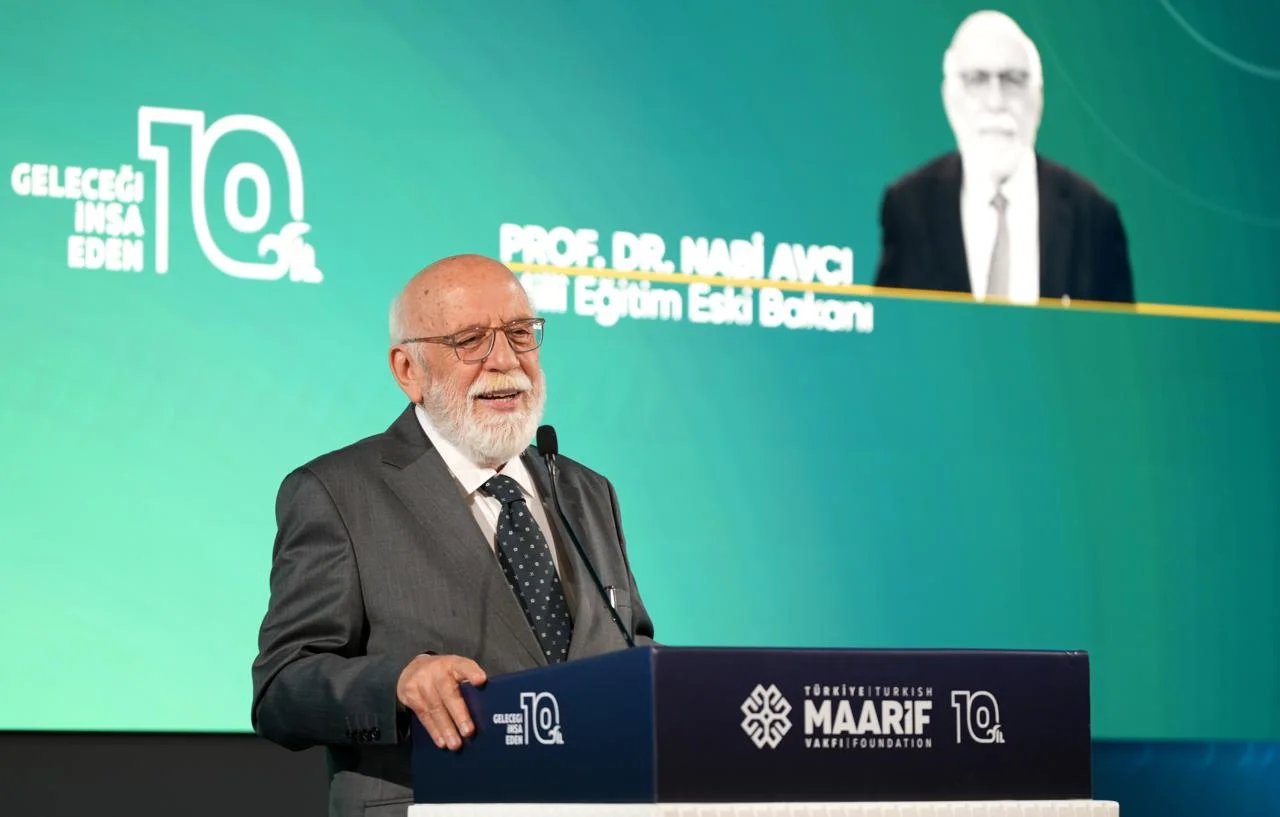
Former Minister of National Education Prof. Dr. Nabi Avcı, in his address, drew on examples from Türkiye's educational history to highlight the social and cultural impact of educational institutions, the role of teachers in shaping students' ways of thinking, and the importance of education in understanding different cultures.
Recalling that the Village Institutes, Imam Hatip Schools, and Maarif Colleges were established as major educational initiatives in Türkiye's history, Avcı discussed the original purposes of these institutions and the transformations they had undergone over time.
Sharing memories from his own school years, Avcı described how an art teacher at a Maarif College taught students not only the skills associated with a particular subject but also how to view the world from different perspectives. Reflecting on the influence of his teacher, Avcı said:
“He taught those of our classmates who had artistic talent how to paint, and students like me, who lacked that talent, how to look at paintings.”
Avcı explained that his art teacher encouraged students to reflect on different cultures and schools of thought. He illustrated the perspective his teacher had helped them develop through a series of questions:
“What is happening in the world? What does the difference between cultures mean? What kinds of relationships existed between East and West, between Türkiye and the West, and between Türkiye and its neighboring regions? What are these relationships like today, and what should they be like?”
Avcı emphasized that, in this respect, his teacher had been an educator who broadened both his own horizons and those of his classmates.
Reflecting on the international educational activities of Turkish Maarif Foundation, Avcı also highlighted the importance of questioning hierarchies of knowledge. He stressed the need to challenge established assumptions about which forms of knowledge are considered valuable and worthy of learning, emphasizing the importance of recognizing the knowledge and perspectives of different societies.
In this context, Avcı shared examples of conventional ways of depicting world maps and drew attention to the possibility of questioning established perspectives, saying, “Look, the map can also be viewed this way.”
Connecting the work of Turkish Maarif Foundation with the idea of “Let's try drawing the world map ourselves and see what it looks like,” Avcı concluded his speech by thanking the country representatives for their efforts.
Educational Activities and Strategic Goals to Be Evaluated Over Five Days
During the 17th Country Representatives' Consultation Meeting, which will continue until October 16, the educational activities of Turkish Maarif Foundation across different regions, institutional development processes, and priorities for the coming period will be evaluated.
The meeting will provide an opportunity for country representatives to share their experiences from the field, discuss potential solutions to common challenges, and explore opportunities for strengthening cooperation among countries.